

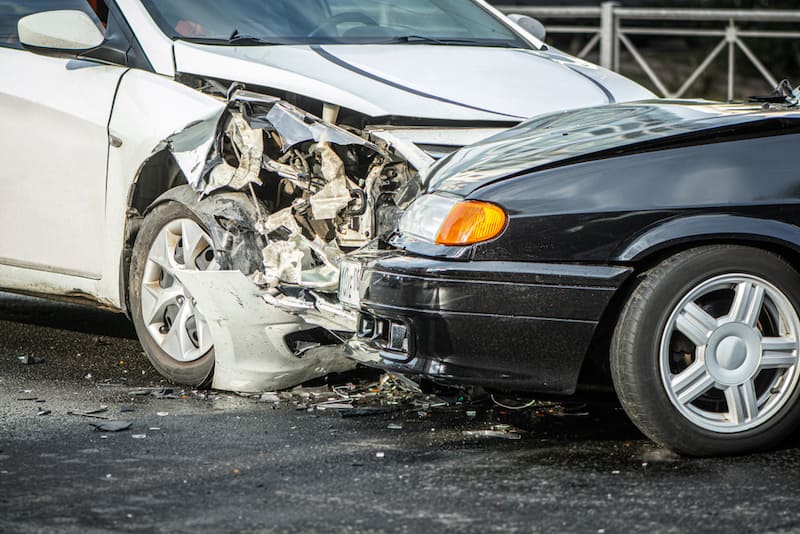
When a fatal accident occurs, the immediate aftermath is often chaotic and emotionally overwhelming for all involved. However, beneath the tragedy lies a critical window of opportunity that can determine the success or failure of any subsequent legal proceedings. Evidence preservation in fatal accident cases is not just important, it’s absolutely essential, as lost or compromised evidence can mean the difference between justice served and accountability lost forever.
The Urgent Nature of Evidence Collection
Fatal accidents create unique challenges for evidence preservation because the scene is typically cleared quickly to restore normal operations, whether it’s reopening a roadway, resuming construction work, or allowing business operations to continue. Unlike other legal matters where evidence might remain static for extended periods, accident scenes are dynamic environments where crucial information can disappear within hours or days.
The physical evidence at an accident scene begins deteriorating immediately. Weather conditions can wash away tire marks, destroy glass fragments, or obscure skid patterns. Emergency response activities, while necessary for saving lives and managing the scene, can inadvertently destroy or contaminate evidence. Vehicles may be towed to storage facilities where they’re exposed to the elements or even scrapped before proper examination can occur.
Types of Critical Evidence at Risk
Physical evidence encompasses numerous elements that tell the story of what happened during those crucial moments. Vehicle damage patterns, debris fields, and impact marks on roadways or structures provide invaluable information about speed, direction, and sequence of events. These physical markers are often the most reliable witnesses to an accident, speaking louder than any testimony.
Electronic evidence has become increasingly important in modern accident investigations. Vehicles manufactured in recent years contain event data recorders that capture information about speed, braking, steering input, and seatbelt usage in the moments before impact. Cell phone records can reveal whether distracted driving played a role, while surveillance cameras from nearby businesses or traffic monitoring systems may have captured the accident itself.
Environmental factors also constitute crucial evidence that can quickly change or disappear. Road conditions, lighting, weather patterns, and visibility issues all contribute to accident causation. Traffic control devices, signage visibility, and construction zone configurations must be documented before modifications are made.
Human factors evidence includes witness statements, which become less reliable as time passes and memories fade. Emergency responders, bystanders, and other drivers present at the scene may possess critical information about conditions leading up to the accident.
Legal Implications of Evidence Loss
The destruction or loss of evidence can have devastating consequences for legal proceedings. In civil litigation, the loss of crucial evidence may result in sanctions against the responsible party, including adverse jury instructions that allow jurors to assume the missing evidence would have been unfavorable to the party who failed to preserve it.
Spoliation of evidence – the intentional or negligent destruction of relevant evidence – can lead to independent legal claims and significant financial penalties. Courts take evidence preservation obligations seriously, particularly when the evidence is unique and cannot be recreated or replaced.
From a criminal perspective, lost evidence can prevent prosecutors from building strong cases against individuals whose negligent or reckless behavior contributed to fatal accidents. This can leave victims’ families without the closure and justice they deserve.
Immediate Response Strategies
Swift action is paramount when fatal accidents occur. Family members or legal representatives should immediately contact experienced accident reconstruction experts and investigators who can respond to the scene while evidence remains intact. These professionals understand what to look for and how to properly document and preserve critical information.
Securing the accident scene, when possible, prevents further evidence contamination. This might involve advocating with authorities to maintain vehicle positions longer, protecting skid marks and debris patterns, or ensuring that vehicles are properly stored rather than immediately processed through standard towing procedures.
Photography and documentation should begin immediately, capturing the scene from multiple angles and distances. This includes overall scene photographs, close-up images of specific damage or evidence, and 360-degree documentation that provides context for later analysis.
Working with Investigators and Experts
Professional accident reconstruction specialists possess the technical expertise and equipment necessary to properly analyze complex accident scenes. These experts can perform detailed measurements, create scale diagrams, and use advanced technology like 3D scanning to preserve the scene digitally.
The window for preserving critical evidence is narrow, but with proper knowledge, quick action, and professional assistance, families can ensure that their loved one’s story is told completely and accurately through the evidence that remains.
To talk to us about your case, visit our offices at:
- Astoria – 32-72 Steinway St, Astoria, NY 11103
- Brooklyn – 7113 5th Avenue, Brooklyn, NY 11209
- Syosset – 175 Jericho Turnpike, Syosset, NY 11791
Call now for a free consultation on (347) 472-5080.