

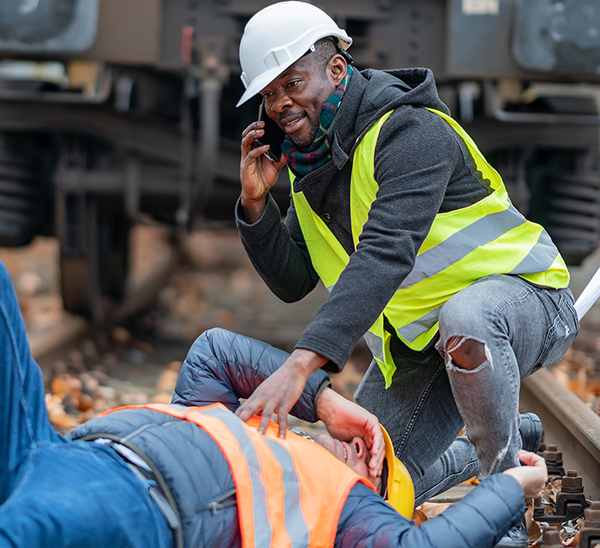
Construction sites are inherently dangerous environments. Among the many hazards present, crush injuries stand out due to their severity and potential for long-term, debilitating consequences, including fatality. Understanding the nature of crush injuries, their common causes on construction sites, the devastating consequences, and crucial prevention strategies is paramount to enhancing worker safety.
What are Crush Injuries?
A crush injury results from prolonged, intense pressure or force compressing a part of the body. This compression can damage a wide array of tissues, including muscles, bones, nerves, and blood vessels. The severity of a crush injury depends on several factors: the amount of force applied, the duration of the compression, and the specific body part affected. While extremities like fingers, hands, arms, legs, and feet are commonly involved, any part of the body, or even the entire body, can be trapped.
The Occupational Safety and Health Administration (OSHA) defines caught-in or -between hazards, which lead to crush injuries, as incidents where a person is squeezed, caught, crushed, pinched, or compressed between two or more objects, or between parts of an object. These are recognized as one of OSHA’s “Fatal Four” top causes of construction worker fatalities, highlighting their grave nature.
The Physiology of Damage
When a body part is crushed, several damaging mechanisms are set in motion almost immediately.
- Lysis: This refers to the immediate disruption and rupture of cells due to the direct physical force.
- Ischemia: The pressure exerted on muscle cells cuts off or severely restricts blood flow (ischemia) to the affected tissues. This deprives cells of oxygen and nutrients, leading to the generation of large amounts of lactic acid and cell death.
- Vascular Compromise: Blood vessels are often compressed, further hindering blood flow and contributing to tissue and cell death.
Common Causes of Crush Injuries on Construction Sites
Construction sites are dynamic environments with numerous potential sources of crush injuries. Some of the most common causes include:
Heavy Machinery and Equipment
Large machines such as cranes, forklifts, bulldozers, excavators, and rollers pose significant risks. Workers can be run over, pinned between moving parts of machinery, or caught between a machine and a fixed object like a wall or another piece of equipment. Improper operation, lack of operator awareness, or equipment malfunction can lead to these devastating accidents.
Falling Objects
Materials, tools, or debris falling from heights, such as from scaffolding or cranes, can strike and crush workers below. While hard hats offer some protection for the head, other body parts remain vulnerable.
Collapsing Structures
The collapse of buildings under construction or demolition, unstable trenches, or scaffolding can trap and crush workers. Trench collapses are particularly dangerous and often fatal.
Caught-in/Between Incidents
Workers can get parts of their body or clothing caught in the moving parts of machinery, such as belts, pulleys, rollers, or gears. These are often referred to as “pinch points” or “nip points”.
Vehicle-Related Accidents
Construction sites often have various vehicles moving around. Workers can be pinned between two vehicles or between a vehicle and a stationary object. Forklift accidents, including those where a forklift falls from a loading dock, are also a source of crush injuries.
Improper Material Handling
Incorrectly stacked or secured materials can shift or fall, leading to crush injuries.
Lack of Proper Guarding
Unguarded moving parts on machinery significantly increase the risk of workers getting caught.
Inadequate Training and Supervision
Insufficient training on equipment operation, hazard recognition, and safe work practices contribute significantly to these accidents.
The Devastating Consequences of Crush Injuries
Crush injuries are among the most serious injuries a worker can sustain, often leading to severe disability or death. The consequences can be immediate and long-term, affecting physical health, emotional well-being, and financial stability.
Immediate Physical Injuries:
- Bone Fractures: The immense force can easily break or shatter bones. Shattered bones can further damage surrounding soft tissues.
- Muscle and Tissue Damage: Extensive damage to muscles, tendons, and ligaments is common.
- Nerve Damage: Nerves can be compressed or severed, leading to pain, numbness, tingling, weakness, or even paralysis in the affected area.
- Skin Lacerations and Avulsions: The skin can be torn or stripped away, increasing the risk of infection and requiring extensive wound care.
- Internal Organ Damage: If the torso is involved, internal organs can be crushed, leading to internal bleeding and life-threatening conditions.
- Amputation: In severe cases, a limb may be traumatically amputated at the scene or require surgical amputation later due to irreparable damage or complications.
- Traumatic Brain Injury (TBI): If the head is involved, a TBI can occur, with a wide range of neurological consequences.
- Spinal Cord Injuries: Damage to the spinal cord can result in partial or complete paralysis.
Long-Term Consequences:
- Chronic Pain: Many survivors experience persistent, debilitating pain.
- Permanent Disability: Loss of function in the affected limb, paralysis, or amputation can lead to permanent disability, impacting the ability to work and perform daily activities.
- Infections: Open wounds and devitalized tissue are highly susceptible to infection, which can lead to further complications, including systemic infection (sepsis) and tissue death.
- Blood Clots: Immobility and vascular damage increase the risk of deep vein thrombosis (DVT) and pulmonary embolism (PE).
- Scar Tissue: Extensive scarring can cause pain, tightness, and restricted range of motion.
- Psychological Trauma: Experiencing such a traumatic event can lead to significant emotional and psychological consequences, including depression, anxiety, and post-traumatic stress disorder (PTSD).
- Financial Hardship: Medical bills, lost wages, and diminished earning capacity can place a significant financial burden on the injured worker and their family.
Crush injuries on construction sites represent a severe and persistent threat to worker safety. The forces involved can lead to catastrophic physical damage, complex systemic complications like crush syndrome and compartment syndrome, and profound long-term consequences for victims and their families.
If you have been badly injured on a construction site, talk to us today. Visit one of our offices at the following locations:
- Astoria – 32-72 Steinway St, Astoria, NY 11103
- Brooklyn – 7113 5th Avenue, Brooklyn, NY 11209
- Syosset – 175 Jericho Turnpike, Syosset, NY 11791
Call now for a free consultation on (347) 472-5080.