

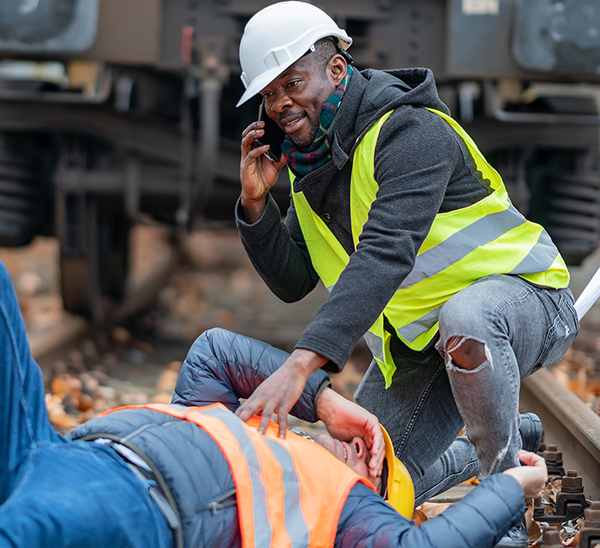
Defective safety equipment presents unique risks that often go undetected until tragedy strikes. Unlike obvious hazards that workers can see and avoid, faulty safety gear creates a false sense of security while simultaneously exposing users to harm. When a construction worker’s safety harness fails during a fall, or when a firefighter’s breathing apparatus malfunctions in a smoke-filled building, the consequences extend far beyond what would occur without any protective equipment at all.
The psychological aspect of defective safety gear compounds the physical dangers. Workers who believe they are protected may take calculated risks they would otherwise avoid, unknowingly placing themselves in greater peril. This false confidence can lead to more aggressive work practices, reduced situational awareness, and ultimately more severe injuries when the equipment fails.
Common Types of Safety Equipment Failures
Safety gear failures span across numerous industries and applications. Personal protective equipment (PPE) represents the largest category of potentially defective safety devices. Hard hats may crack under impact due to degraded materials or manufacturing defects, leaving workers vulnerable to head injuries. Safety glasses with substandard lenses can shatter upon impact, sending fragments directly into the eyes they were meant to protect.
Respiratory protection failures pose particularly serious risks in industrial environments. Defective gas masks or respirators can allow toxic substances to penetrate their filtration systems, exposing workers to chemical poisoning or lung damage. Similarly, faulty breathing apparatus used by firefighters and emergency responders can fail during critical operations, potentially proving fatal in oxygen-depleted environments.
Fall protection systems represent another critical area where defective equipment can have devastating consequences. Harnesses with weak stitching, corroded carabiners, or frayed safety lines can fail under load, resulting in falls that could have been prevented with properly functioning equipment. Even seemingly minor defects in these systems can prove catastrophic when workers depend on them for survival.
Manufacturing Defects and Quality Control Failures
The root causes of defective safety equipment often trace back to manufacturing processes and quality control systems. Cost-cutting measures in production can lead to the use of substandard materials or inadequate testing procedures. When manufacturers prioritize profit margins over safety standards, they may skip crucial quality assurance steps or use cheaper components that fail to meet required specifications.
Design flaws represent another significant source of safety equipment failures. Engineers may overlook critical stress points or fail to account for real-world usage conditions during the design phase. Environmental factors such as extreme temperatures, chemical exposure, or prolonged ultraviolet light can degrade safety equipment in ways that weren’t anticipated during initial testing.
Inadequate testing protocols compound these manufacturing issues. Safety equipment must undergo rigorous testing to ensure it performs as intended under various conditions. When testing procedures are insufficient or when manufacturers falsify test results, defective products can reach the market and endanger users who trust their lives to these devices.
Regulatory Oversight and Standards Compliance
Government agencies and industry organizations establish safety standards to ensure protective equipment meets minimum performance requirements. However, gaps in regulatory oversight can allow defective products to slip through the system. Enforcement mechanisms may be inadequate, or penalties for non-compliance may be insufficient to deter manufacturers from cutting corners.
The complexity of modern supply chains further complicates regulatory oversight. Components for safety equipment may be sourced from multiple suppliers across different countries, each operating under varying quality standards. This fragmentation makes it difficult for regulators to maintain consistent oversight and for manufacturers to ensure all components meet required specifications.
Post-market surveillance represents a critical component of safety equipment regulation. When defective products are identified after they reach consumers, rapid recall procedures must be implemented to prevent further injuries. However, these systems often rely on voluntary reporting from users and manufacturers, potentially allowing dangerous products to remain in circulation longer than necessary.
The Human Cost of Equipment Failure
Behind every instance of defective safety equipment lies the potential for human tragedy. Workers injured by faulty protective gear face not only physical harm but also psychological trauma from the betrayal of equipment they trusted with their lives. Families may lose loved ones to accidents that proper safety equipment could have prevented, creating lasting emotional and financial hardships.
The broader workplace implications extend beyond individual injuries. When safety equipment fails, it undermines confidence in all protective measures, potentially leading workers to become complacent about safety protocols or to distrust necessary protective equipment. This erosion of safety culture can have long-lasting effects on workplace accident rates and employee morale.
Legal Implications and Liability Issues
Defective safety equipment creates complex legal scenarios involving multiple potentially liable parties. Manufacturers may face product liability claims for designing, producing, or selling faulty equipment. Employers who fail to properly inspect, maintain, or replace safety equipment may bear responsibility for resulting injuries. Even workers themselves may share liability if they knowingly use damaged or expired protective gear.
Product liability cases involving safety equipment often involve extensive technical analysis to determine the cause of failure and establish responsibility. Expert witnesses must examine failed equipment, review manufacturing processes, and assess whether proper safety standards were followed. These legal proceedings can take years to resolve while injured parties struggle with medical expenses and lost wages.
Prevention and Best Practices
Preventing defective safety equipment requires a multi-faceted approach involving manufacturers, regulators, employers, and workers. Manufacturers must implement robust quality control systems and conduct thorough testing of their products under realistic usage conditions. Regular audits of manufacturing processes can help identify potential problems before defective products reach the market.
Employers bear responsibility for selecting appropriate safety equipment, ensuring proper training on its use, and maintaining regular inspection and replacement schedules. Workers must be educated about the signs of equipment deterioration and empowered to report concerns without fear of retaliation.
The devastating impact of defective safety equipment serves as a stark reminder that protection is only as good as the quality and integrity of the equipment providing it. When safety gear fails, the consequences ripple through families, workplaces, and entire industries, underscoring the critical importance of maintaining the highest standards in protective equipment design, manufacturing, and maintenance.
To talk to us about your case, visit our offices at:
- Astoria – 32-72 Steinway St, Astoria, NY 11103
- Brooklyn – 7113 5th Avenue, Brooklyn, NY 11209
- Syosset – 175 Jericho Turnpike, Syosset, NY 11791
Call now for a free consultation on (347) 472-5080.